
Let us explain
By Whitestone-Advocacy.com — 3 February 2025
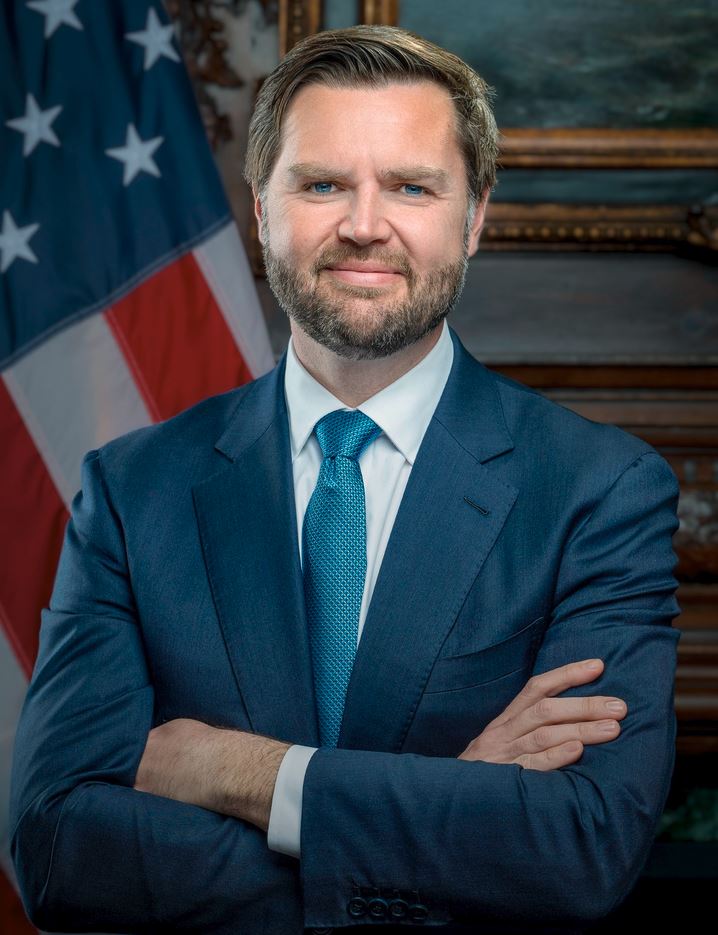
Mr. J.D. Vance, Vice President of the United States
… Let us explain why we believe your approach to America’s allies is a mistake — not only for them, but also for your own country.
Dear Mr. Vance,
We question whether you have properly considered the facts when you accuse Denmark of being a poor ally while ignoring the sacrifices made by Danish soldiers who fought alongside American forces in Afghanistan and Iraq.
These two wars raised serious questions about their strategic objectives, their long-term consequences and the price paid by those who served. Yet Danish soldiers stood alongside their American counterparts, sharing the risks and the consequences of decisions made by political leaders on both sides of the Atlantic.
That commitment should not simply be forgotten when it becomes politically convenient to question Denmark’s loyalty.
The war in Afghanistan brought Danish forces into a conflict alongside their American allies. And what was the ultimate outcome? In 2021, the United States and its allies withdrew their forces, and Afghanistan fell back into the hands of the Taliban.
Such an outcome raises serious questions about the long-term strategy, the decisions that were made and the responsibilities of those who led the intervention.
It also makes your criticism of Denmark all the more difficult to understand.
You speak of loyalty and of what you expect from your allies. Yet you appear willing to overlook the contributions and sacrifices of those same allies when they no longer fit your political narrative.
And now, Denmark and Greenland, Canada, China and other countries in Europe and Latin America are facing threats, pressure or confrontational rhetoric from the United States.
Is this really how a country demonstrates leadership among its allies and partners?
Have you considered the number of people and countries your actions may be alienating?
Have you thought about what happens when more and more countries lose confidence in the United States — not only as a trading partner, but also as a reliable political and diplomatic ally?
When a country uses trade wars, economic pressure and threats against its partners, it should not be surprised if those partners begin looking for alternatives.
And what happens when they find them?
Countries that might otherwise have continued to rely heavily on trade and cooperation with the United States may increasingly seek closer economic relationships with one another instead.
European countries, BRICS members and other emerging economies all have reasons to explore new forms of cooperation, even though their interests and political priorities differ.
As these relationships develop, more countries may find that they can trade, invest and pursue economic growth without relying as heavily on the United States.
And when the African continent’s enormous economic and development potential becomes an increasingly important part of these global relationships, the opportunities for international cooperation could grow even further.
This is not a prediction that the United States will simply be excluded from the future global economy. But it is a warning: by alienating its allies and escalating trade conflicts, America risks encouraging others to build economic partnerships in which American participation is no longer taken for granted.
The potential consequences for American businesses, economic influence and international leadership could be substantial.
Is that really in America’s own interest?
Mr. J.D. Vance, let us return to your criticism of Denmark.
Your suggestion that Denmark is not a good ally to the United States is neither constructive nor a convincing way to handle diplomatic relations.
Instead, it raises questions about your understanding of what it takes to maintain trust among allies.
Diplomacy is not an American football game. You cannot simply treat every disagreement as a lost match and assume that another game will soon provide an opportunity to start over.
International relationships do not work that way.
Mr. Vance, for the record, it takes years — sometimes decades — to build credible and lasting diplomatic relationships with allies.
Trust is built through cooperation, mutual respect and a willingness to recognise one another’s contributions, even when disagreements arise.
It can, however, be damaged remarkably quickly.
By treating allies as opponents and turning political disagreements into confrontations, you risk throwing away years of diplomatic goodwill.
And the consequences may extend far beyond the immediate dispute.
What you risk creating is not a win-win situation, but a lose-lose situation — one in which both the United States and its allies may pay the price for years to come.
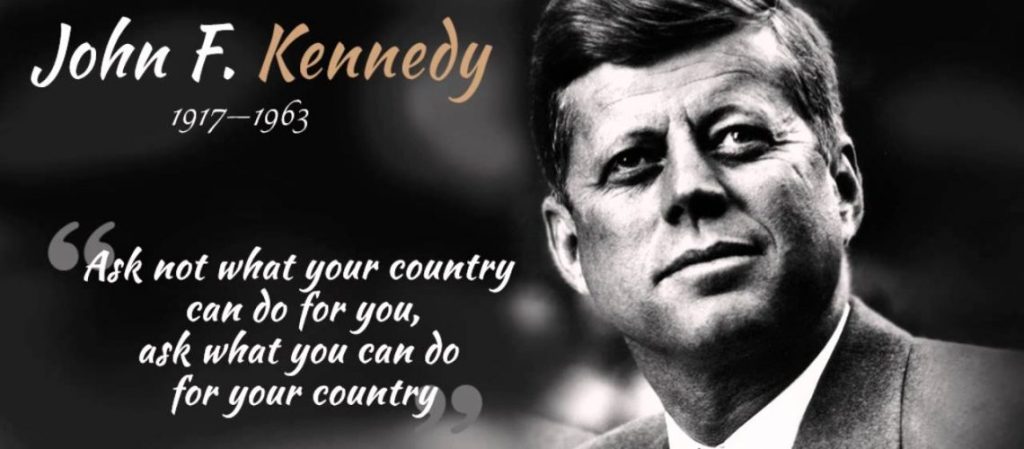
Perhaps it is time to take a few days off and reconsider your approach.
Not simply to think about what your country must and can do to protect you from the diplomatic consequences of your own decisions, but — and this is the important part — to consider what you can do for your country.
Your responsibility as Vice President is not merely to demand loyalty from America’s allies. It is also to help preserve the relationships, trust and international cooperation on which America’s long-term security and prosperity depend.
Leadership is not measured by how forcefully you can criticise other countries, how many threats you can make or how many concessions you can demand.
It is measured by the results your actions achieve for your country.
And if your approach to diplomacy consists primarily of insulting, threatening or alienating countries that have stood alongside the United States, then you must ask yourself a fundamental question:
Are you really acting as a good ally to your own country — the United States of America?
If not, perhaps it is time to let more experienced diplomats take a greater role in managing America’s international relationships.
Not because the United States should abandon its interests, but because protecting those interests requires more than confrontation. It requires judgement, experience and an understanding of the long-term value of trustworthy allies.
We are sorry to be so direct, Mr. Vance.
But it seems necessary to remind you that the office you have undertaken to serve carries responsibilities that go far beyond winning political arguments or demonstrating strength through confrontation.
You are there to serve your country.
And serving your country means understanding not only what America can demand from the rest of the world, but also what America must contribute if it wishes to retain the world’s trust.
The question is not simply whether America’s allies are loyal to the United States.
The question is whether the United States is acting in a way that gives its allies good reason to remain loyal.
_________
If you enjoyed this article, we also recommend reading our article addressed to Mr. Donald Trump: Dear Mr. Trump, – time and development in the western countries, – it is on our side!
________________
Yours Sincerely
ThePeoplePress.com
– The Truth Matters To Us –
Categories: English Updates

